Table of Contents
Table of Contents

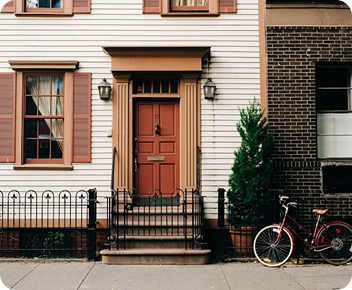


What if you could move into your dream home next month—even with a less-than-perfect credit score or without a massive down payment sitting in your bank account?
The numbers speak for themselves: in a recent study, 79% of participants expressed they would consider a lease-to-own path to homeownership—and for good reason. This trending path to homeownership is helping thousands bypass traditional lending barriers that keep dream homes just out of reach. Think of it as test-driving your future home while building equity from day one.
Here’s the reality: lease-to-own agreements can be a powerful stepping stone toward homeownership, offering flexibility and a chance to build equity along the way. This comprehensive guide cuts through the confusion, revealing exactly how these programs work, who they're perfect for, and the pitfalls to avoid.
Whether you're battling credit challenges, saving for a down payment, or simply want a smarter way to transition from renting to owning, by the end of this guide, you’ll have a clear understanding of whether lease-to-own is right for you.
.png)
A lease-to-own home, more commonly known as rent-to-own in Canada, is a property arrangement allowing a tenant to rent a home with an option to purchase after a specified period. During the lease term, the tenant pays monthly rent payments, which often include a rent credit that contributes to the future purchase price. This arrangement provides an alternative path to buying a home for those unable to secure traditional mortgages immediately.
Lease-to-own agreements typically involve an option fee and an initial deposit, securing the tenant's right to buy the home. Unlike traditional renting, this agreement offers the possibility to build equity over time. A lease-to-own home differs from a standard purchase because it combines elements of a rental agreement and a lease-purchase agreement, enabling eventual homeownership without immediate financial requirements.
Real estate agents and rent-to-own companies, such as Requity Homes, can help navigate the rent-to-own process, ensuring all conditions are clear in the rent-to-own contract.
Lease-to-own agreements offer renters the chance to buy a home after a specified rental term. These agreements detail monthly payments, option fees, and any rent credits that may contribute to the home's purchase. Rent credits reduce the purchase price as a portion of each monthly rent goes toward buying the home.
Lease-to-own contracts will typically include the rent amount, option fee, the length of the lease, and a locked-in purchase price.
The option fee is a non-refundable upfront payment that secures the tenant's right to purchase the home. Once the lease term ends, the renter has the opportunity to buy the property at the predetermined price.
A typical lease period can range from one to three years, allowing tenants time to improve credit scores or build up savings for a down payment. These agreements can serve as a path to homeownership, providing flexibility before committing to traditional mortgages. It's crucial for renters to work closely with real estate agents or rent-to-own companies to understand all terms and potential risks involved in a lease-to-own contract.
Lease-to-own agreements, also known as rent-to-own agreements, can be a practical option for many Canadians, including newcomers, self-employed individuals, those with limited savings, and people working to improve their credit.
Leasing to own provides a structured path to owning a home and the chance to settle into a potential future home. However, it's essential to weigh the pros and cons, and consider market conditions and personal financial situations before committing.
Lease-to-own homes offer a clear path to homeownership, allowing renters to gradually work towards purchasing while residing in the home. Tenants can use the lease period to enhance their credit scores, making them more eligible for favourable financing in the future. Additionally, these agreements typically lock in a purchase price at the contract's inception, which can be advantageous if property values increase.
Like any financial obligation, lease-to-own agreements come with specific risks that potential renters should be mindful of. The option fee is non-refundable, meaning it could be forfeited if the purchase is not completed. Monthly payments are often higher than standard rent, potentially straining finances. Furthermore, a decline in market value can leave renters committed to a purchase price that exceeds the home's current worth, posing financial risks.
Lease-to-own homes come with specific financial considerations that potential buyers need to understand. One key aspect is the option fee, typically 1-5% of the property's value. This fee is often applied toward the down payment if the purchase is completed. Rent credits also play a crucial role; a portion of your monthly rent payments may be credited toward the purchase price, helping to reduce future mortgage rates.
However, the agreement might require additional costs beyond regular rental payments. These can include maintenance expenses, property taxes, and home insurance, depending on the terms of the rent-to-own agreement. It's important to be clear on who covers these costs to avoid surprises.
Before entering a lease-to-own contract, consult with a real estate agent to understand the lease term and the impact of potential costs on your path to homeownership. Knowing these financial factors upfront allows you to make informed decisions regarding your rent-to-own process.
Using lease-to-own calculators can help with estimating monthly payments, potential rent credits, and the final purchase price. These tools help prospective buyers navigate the rent-to-own process by providing a clear picture of financial commitments and potential savings.
A reliable calculator considers key factors such as your monthly household income, your monthly debt obligations, your downpayment and the home price. These elements are essential in determining if a rent-to-own arrangement is a good option for you. By adjusting these variables, buyers can see how they influence overall costs and savings.
Use Requity Homes' free calculators to get started and see how much you qualify for and how much your payments could be:
Evaluating a lease-to-own home involves several steps to ensure a wise investment.
Here are the steps to follow when working with a rent-to-own company like Requity Homes:
1. Estimate your budget with a lease-to-own calculator: Start by calculating your home budget for a rent-to-own option to understand affordability.
2. Get pre-qualified: Complete an online registration and questionnaire to get pre-qualified with Requity Homes - a top lease-to-own provider in Canada.
3. Browse rent-to-own listings: Look at homes within your budget in your current city or preferred relocation area. Here are some top cities across Canada where you can find affordable lease-to-own properties:
4. Property inspection: Once you find a suitable property, confirm the home’s condition and note any necessary repairs. Ensure it's move-in ready, as Requity requires homes to be habitable.
5. Market comparison: Compare similar homes to check if the purchase price is fair and consistent with current market values.
6. Contract review: Carefully review the lease-to-own agreement. Seek legal advice to clarify terms, focusing on rent credits, purchase options, and any other financial obligations.
7. Initial deposit: Be prepared to make an initial deposit of 2-10% of the home’s value, contributing towards your future down payment.
8. Monthly payment and savings plan: Plan for monthly payments that cover rent and contribute to down payment savings. Use Requity’s calculator for detailed insights.
9. Down payment requirements: Ensure you meet the minimum $5,000 down payment or 2-10% of the home's value based on your financial situation.
10. Approval criteria: Meet Requity’s minimum requirements, including a 500 credit score, a maximum 50% debt-to-income ratio, and no unpaid collections or bankruptcy history.
11. Final purchase option: When you’re mortgage-ready, you have the option to buy back the home at a pre-set price or walk away with your savings.
Lease-to-own homes create an alternative way to buying a home that’s especially beneficial for people in unique financial situations, such as:
Ultimately, lease-to-own programs cater to a wide variety of financial and personal situations, making homeownership accessible to individuals who might otherwise face barriers through traditional mortgage lenders, and other lenders such as private lenders and private mortgages.
Lease-to-own programs are becoming increasingly popular as a way to own a home, and Requity Homes is a leading provider in Canada. Serving areas like Alberta, Ontario, Manitoba, and Saskatchewan, including cities such as Edmonton, Calgary, and Winnipeg, Requity Homes offers flexible and affordable terms tailored to a variety of financial situations. Our services begin with low down payment options starting at just 2%.
Once approved, you have the freedom to choose any home within your budget with the support of Requity’s purchase team. The program includes structured savings and credit guidance, allowing you to move in with a low initial deposit while saving monthly. Requity’s approach has led to a high success rate, with 80% of clients buying back their homes within just 18 months on average.
Get pre-qualified through Requity Homes - Getting started is completely free, and it won’t affect your credit score at all.
Read more: lease-to-own success stories with Requity Homes

If you’re unable to buy, you may forfeit the option fee, though specifics vary by agreement.
Most agreements set the purchase price upfront, though negotiation may be possible in some cases.
Rent credits vary by contract; typically, a portion of each monthly payment goes toward the purchase.
Yes, it can be. Lease-to-own allows renters to improve credit during the lease, increasing mortgage eligibility.
Some agreements allow for exit options, but renters risk losing the option fee and any rent credits if they choose not to buy.


Rent your dream home while we help you save for a down payment.


Alberta
Rent-to-Own Homes in AirdrieRent-to-Own Homes in BeaumontRent-to-Own Homes in EdmontonRent-to-Own Homes in Grande PrairieRent-to-Own Homes in LeducRent-to-Own Homes in LethbridgeRent-to-Own Homes in Red DeerRent-to-Own Homes in Sherwood ParkRent-to-Own Homes in Spruce GroveRent-to-Own Homes in St. AlbertRent-to-Own Homes in Stony PlainRent-to-Own in Alberta
Rent-to-Own in AirdrieRent-to-Own in BeaumontRent-to-Own in CalgaryRent-to-Own in EdmontonRent-to-Own in Grande PrairieRent-to-Own in LeducRent-to-Own in LethbridgeRent-to-Own in LloydminsterRent-to-Own in Red DeerRent-to-Own in Sherwood ParkRent-to-Own in Spruce GroveRent-to-Own in St. AlbertRent-to-Own in Stony PlainWhat if you could move into your dream home next month—even with a less-than-perfect credit score or without a massive down payment sitting in your bank account?
The numbers speak for themselves: in a recent study, 79% of participants expressed they would consider a lease-to-own path to homeownership—and for good reason. This trending path to homeownership is helping thousands bypass traditional lending barriers that keep dream homes just out of reach. Think of it as test-driving your future home while building equity from day one.
Here’s the reality: lease-to-own agreements can be a powerful stepping stone toward homeownership, offering flexibility and a chance to build equity along the way. This comprehensive guide cuts through the confusion, revealing exactly how these programs work, who they're perfect for, and the pitfalls to avoid.
Whether you're battling credit challenges, saving for a down payment, or simply want a smarter way to transition from renting to owning, by the end of this guide, you’ll have a clear understanding of whether lease-to-own is right for you.
A lease-to-own home, more commonly known as rent-to-own in Canada, is a property arrangement allowing a tenant to rent a home with an option to purchase after a specified period. During the lease term, the tenant pays monthly rent payments, which often include a rent credit that contributes to the future purchase price. This arrangement provides an alternative path to buying a home for those unable to secure traditional mortgages immediately.
Lease-to-own agreements typically involve an option fee and an initial deposit, securing the tenant's right to buy the home. Unlike traditional renting, this agreement offers the possibility to build equity over time. A lease-to-own home differs from a standard purchase because it combines elements of a rental agreement and a lease-purchase agreement, enabling eventual homeownership without immediate financial requirements.
Real estate agents and rent-to-own companies, such as Requity Homes, can help navigate the rent-to-own process, ensuring all conditions are clear in the rent-to-own contract.
Lease-to-own agreements offer renters the chance to buy a home after a specified rental term. These agreements detail monthly payments, option fees, and any rent credits that may contribute to the home's purchase. Rent credits reduce the purchase price as a portion of each monthly rent goes toward buying the home.
Lease-to-own contracts will typically include the rent amount, option fee, the length of the lease, and a locked-in purchase price.
The option fee is a non-refundable upfront payment that secures the tenant's right to purchase the home. Once the lease term ends, the renter has the opportunity to buy the property at the predetermined price.
A typical lease period can range from one to three years, allowing tenants time to improve credit scores or build up savings for a down payment. These agreements can serve as a path to homeownership, providing flexibility before committing to traditional mortgages. It's crucial for renters to work closely with real estate agents or rent-to-own companies to understand all terms and potential risks involved in a lease-to-own contract.
Lease-to-own agreements, also known as rent-to-own agreements, can be a practical option for many Canadians, including newcomers, self-employed individuals, those with limited savings, and people working to improve their credit.
Leasing to own provides a structured path to owning a home and the chance to settle into a potential future home. However, it's essential to weigh the pros and cons, and consider market conditions and personal financial situations before committing.
Lease-to-own homes offer a clear path to homeownership, allowing renters to gradually work towards purchasing while residing in the home. Tenants can use the lease period to enhance their credit scores, making them more eligible for favourable financing in the future. Additionally, these agreements typically lock in a purchase price at the contract's inception, which can be advantageous if property values increase.
Like any financial obligation, lease-to-own agreements come with specific risks that potential renters should be mindful of. The option fee is non-refundable, meaning it could be forfeited if the purchase is not completed. Monthly payments are often higher than standard rent, potentially straining finances. Furthermore, a decline in market value can leave renters committed to a purchase price that exceeds the home's current worth, posing financial risks.
Lease-to-own homes come with specific financial considerations that potential buyers need to understand. One key aspect is the option fee, typically 1-5% of the property's value. This fee is often applied toward the down payment if the purchase is completed. Rent credits also play a crucial role; a portion of your monthly rent payments may be credited toward the purchase price, helping to reduce future mortgage rates.
However, the agreement might require additional costs beyond regular rental payments. These can include maintenance expenses, property taxes, and home insurance, depending on the terms of the rent-to-own agreement. It's important to be clear on who covers these costs to avoid surprises.
Before entering a lease-to-own contract, consult with a real estate agent to understand the lease term and the impact of potential costs on your path to homeownership. Knowing these financial factors upfront allows you to make informed decisions regarding your rent-to-own process.
Using lease-to-own calculators can help with estimating monthly payments, potential rent credits, and the final purchase price. These tools help prospective buyers navigate the rent-to-own process by providing a clear picture of financial commitments and potential savings.
A reliable calculator considers key factors such as your monthly household income, your monthly debt obligations, your downpayment and the home price. These elements are essential in determining if a rent-to-own arrangement is a good option for you. By adjusting these variables, buyers can see how they influence overall costs and savings.
Use Requity Homes' free calculators to get started and see how much you qualify for and how much your payments could be:
Evaluating a lease-to-own home involves several steps to ensure a wise investment.
Here are the steps to follow when working with a rent-to-own company like Requity Homes:
1. Estimate your budget with a lease-to-own calculator: Start by calculating your home budget for a rent-to-own option to understand affordability.
2. Get pre-qualified: Complete an online registration and questionnaire to get pre-qualified with Requity Homes - a top lease-to-own provider in Canada.
3. Browse rent-to-own listings: Look at homes within your budget in your current city or preferred relocation area. Here are some top cities across Canada where you can find affordable lease-to-own properties:
4. Property inspection: Once you find a suitable property, confirm the home’s condition and note any necessary repairs. Ensure it's move-in ready, as Requity requires homes to be habitable.
5. Market comparison: Compare similar homes to check if the purchase price is fair and consistent with current market values.
6. Contract review: Carefully review the lease-to-own agreement. Seek legal advice to clarify terms, focusing on rent credits, purchase options, and any other financial obligations.
7. Initial deposit: Be prepared to make an initial deposit of 2-10% of the home’s value, contributing towards your future down payment.
8. Monthly payment and savings plan: Plan for monthly payments that cover rent and contribute to down payment savings. Use Requity’s calculator for detailed insights.
9. Down payment requirements: Ensure you meet the minimum $5,000 down payment or 2-10% of the home's value based on your financial situation.
10. Approval criteria: Meet Requity’s minimum requirements, including a 500 credit score, a maximum 50% debt-to-income ratio, and no unpaid collections or bankruptcy history.
11. Final purchase option: When you’re mortgage-ready, you have the option to buy back the home at a pre-set price or walk away with your savings.
Lease-to-own homes create an alternative way to buying a home that’s especially beneficial for people in unique financial situations, such as:
Ultimately, lease-to-own programs cater to a wide variety of financial and personal situations, making homeownership accessible to individuals who might otherwise face barriers through traditional mortgage lenders, and other lenders such as private lenders and private mortgages.
Lease-to-own programs are becoming increasingly popular as a way to own a home, and Requity Homes is a leading provider in Canada. Serving areas like Alberta, Ontario, Manitoba, and Saskatchewan, including cities such as Edmonton, Calgary, and Winnipeg, Requity Homes offers flexible and affordable terms tailored to a variety of financial situations. Our services begin with low down payment options starting at just 2%.
Once approved, you have the freedom to choose any home within your budget with the support of Requity’s purchase team. The program includes structured savings and credit guidance, allowing you to move in with a low initial deposit while saving monthly. Requity’s approach has led to a high success rate, with 80% of clients buying back their homes within just 18 months on average.
Get pre-qualified through Requity Homes - Getting started is completely free, and it won’t affect your credit score at all.
Read more: lease-to-own success stories with Requity Homes
If you’re unable to buy, you may forfeit the option fee, though specifics vary by agreement.
Most agreements set the purchase price upfront, though negotiation may be possible in some cases.
Rent credits vary by contract; typically, a portion of each monthly payment goes toward the purchase.
Yes, it can be. Lease-to-own allows renters to improve credit during the lease, increasing mortgage eligibility.
Some agreements allow for exit options, but renters risk losing the option fee and any rent credits if they choose not to buy.